
The 2026/27 Outdoor Gear Guide
A practical reset for the season ahead: what to inspect, what to repair, what may be worth replacing and what deserves a permanent place in your setup.
Introduction: a good season starts before the trip
The first trip of the season rarely begins at the trail. It begins on the garage floor, around the kitchen table or beside an open gear cupboard.
You pull out the tent. Find the missing peg. Check whether the rain jacket still beads water. Replace the batteries in the headtorch. Open the first-aid kit and discover the one thing you used last summer was never replaced.
That is where a good season starts.
This guide is not a list of everything you should buy. Most people already own more outdoor gear than they need. It is a practical reset: what to inspect, what to repair, what may be worth replacing and what deserves a permanent place in your setup.
Use it for day walks, hut trips, camping weekends, hunting, fishing, road trips or whatever getting outside looks like for you.
First: do not buy anything.
Lay out the gear you expect to use this season and sort it into four groups.
Check the small things first. Charge batteries. Test zips. Count tent pegs. Check expiry dates. Reproof waterproof layers if needed. Make sure your stove lights and your water system flows. Refill anything used last season.
The goal is not a perfect collection. It is a setup you understand and can rely on.
Shelter: choose for the trip you actually take
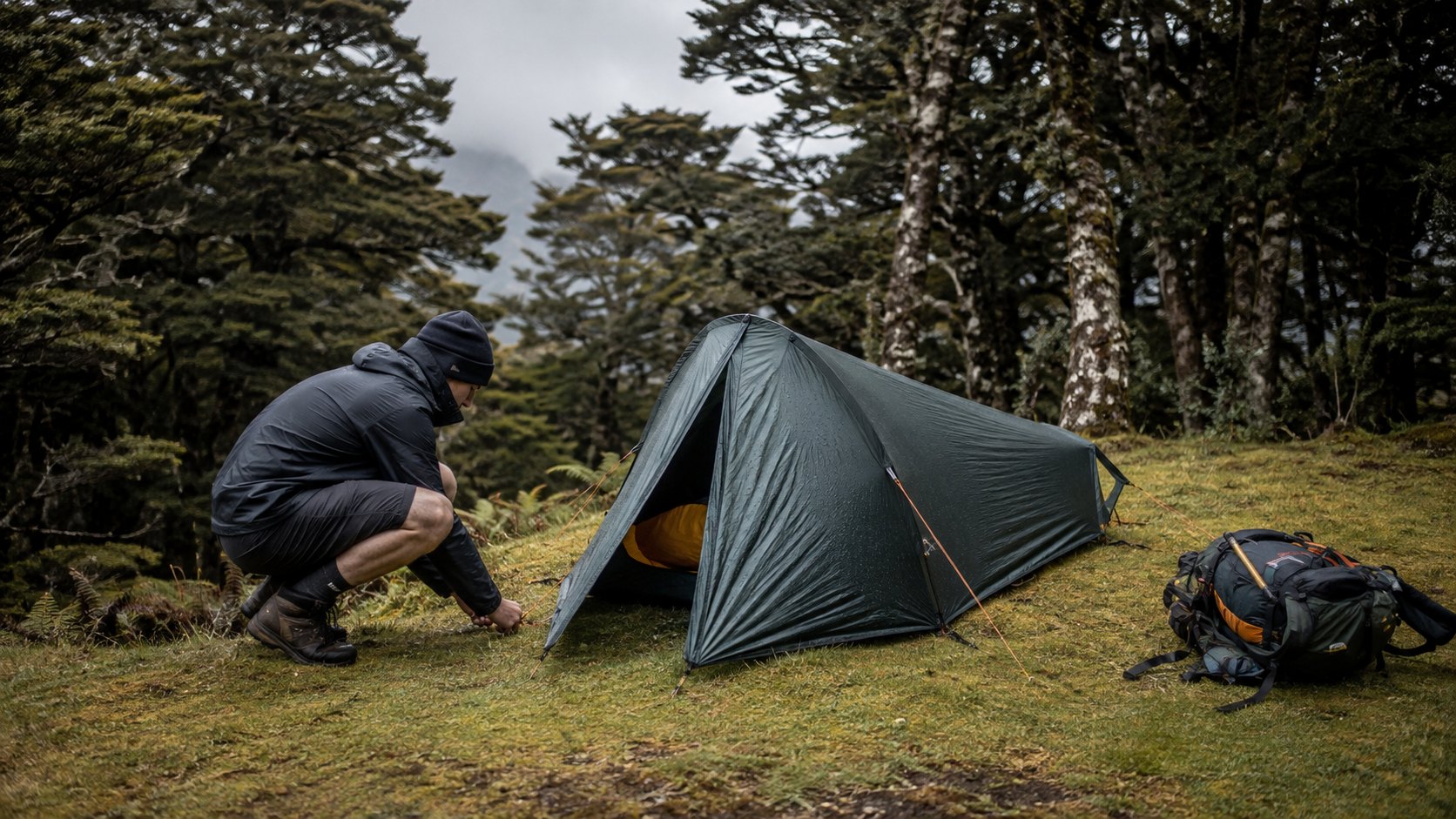
A family campsite, a Great Walk hut and an exposed backcountry camp need very different shelter systems.
For a tent, start with capacity, weather protection, packed size, ventilation and how easily it can be pitched when the wind arrives before you are ready. A tent that is perfect beside the car may be completely wrong to carry for two days. A lightweight hiking tent may feel unnecessarily cramped for a family weekend.
- Pitch your tent at home.
- Check the fly, floor, seams, poles, guylines and pegs.
- Make sure every person knows how it goes up.
- Dry it completely before storing it again.
- Confirm your sleeping mats actually fit inside.
KEA does not make tents or packs. For those categories, compare specialists such as Macpac for hiking equipment, Zempire for campsite and family shelter, and Cactus Outdoor for hard-wearing packs. Buy for your real use, not the trip you imagine taking once.
Whatever you carry, add a pack liner or reliable dry storage. A pack cover helps, but wind-driven New Zealand rain has a way of finding openings.
Clothing and footwear: build a system, not an outfit
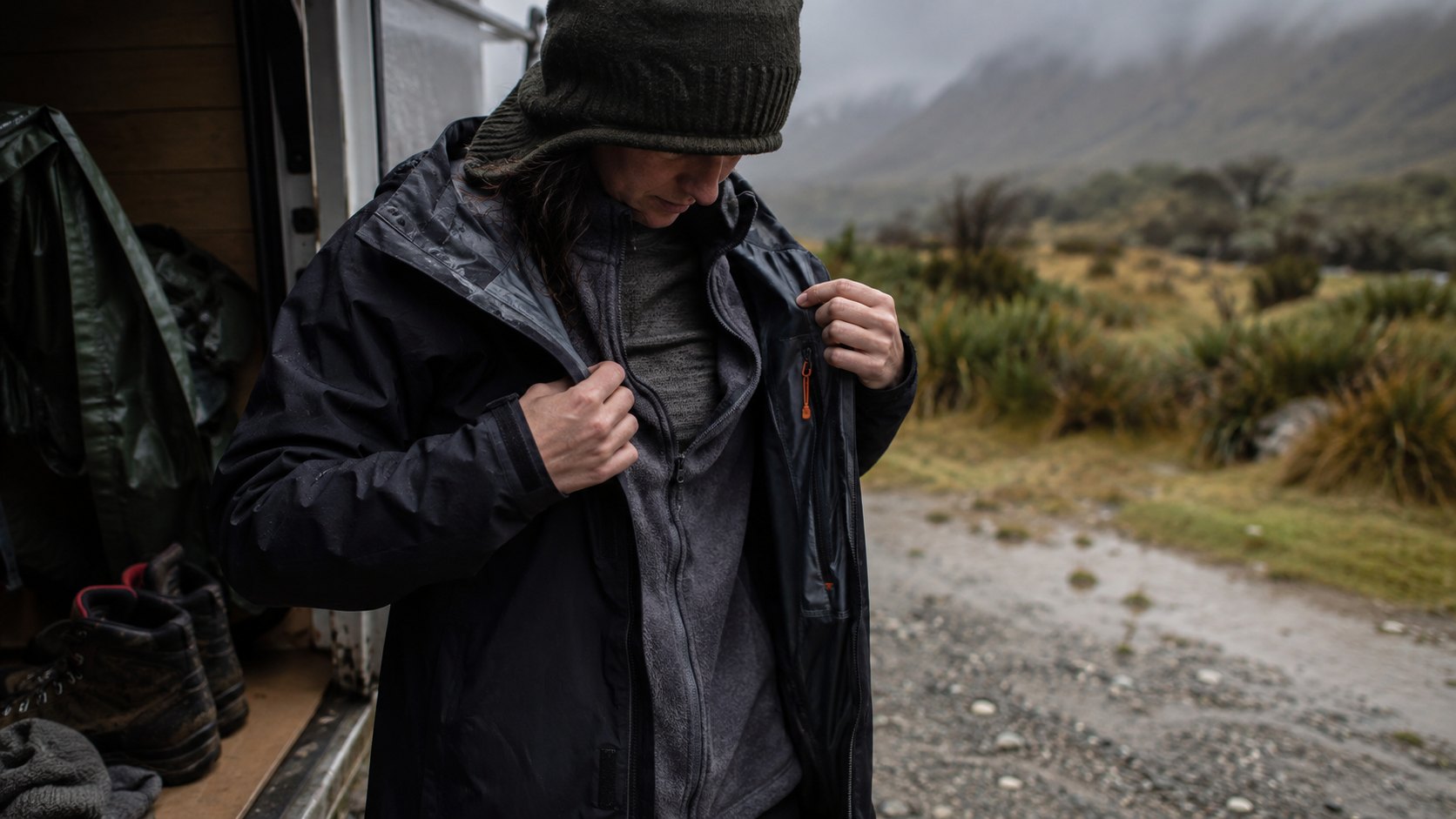
New Zealand conditions change quickly. Your clothing needs to keep working when warm turns cold, dry turns wet or a straightforward day takes longer than planned.
- Base layer: moves moisture away from your skin. Choose merino or a suitable synthetic rather than cotton.
- Warm layer: fleece, wool or insulated clothing that still has a job when the temperature drops.
- Shell: a properly waterproof and wind-resistant jacket suitable for the conditions.
- Small warmth: a beanie and gloves weigh little and can matter even in summer.
Fit matters more than the logo. Wear your rain shell over the layers you will actually carry. Walk in new footwear before a long trip. Check tread, laces, seams and insoles. If boots have spent winter in a cupboard, do not discover their first problem eight kilometres from the car.
For New Zealand-made outerwear, Earth Sea Sky is worth comparing. Macpac offers a broad range of rainwear and hiking equipment, while Cactus Outdoor is a strong place to look when durability matters more than minimal weight. We do not sell these categories; we simply think a useful gear guide should say where else to look.
Sleep: warmth beneath you matters too
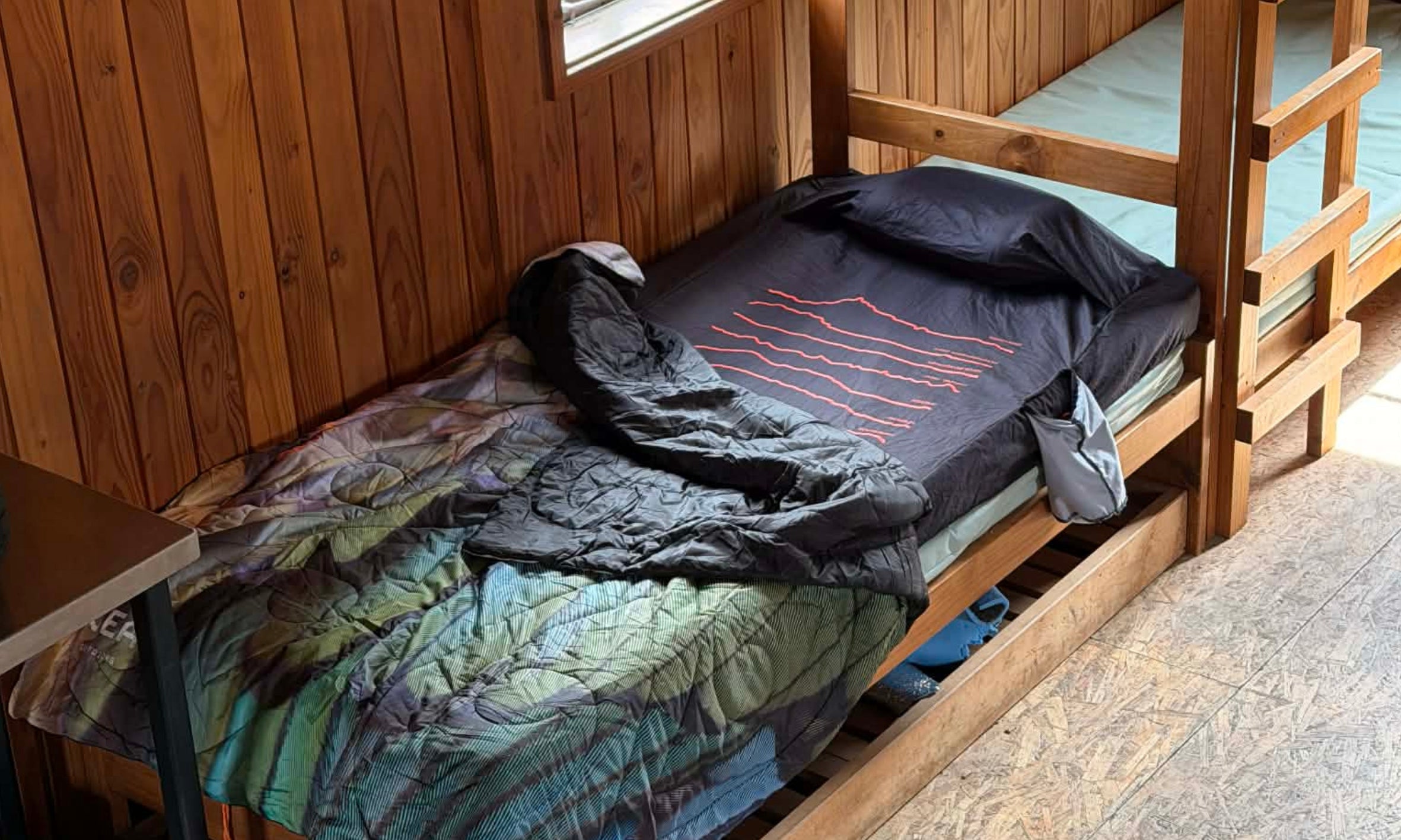
A sleeping bag is only one part of a sleep system. Your mat insulates you from the ground, your dry layers preserve warmth and a few small comforts can be the difference between enduring the night and waking ready for the next day.
- Is your sleeping bag appropriate for the expected temperature?
- Does your mat stay inflated overnight?
- Do your bag and mat fit the shelter or hut bunk?
- Is everything kept dry inside your pack?
- What is the smallest comfort that noticeably improves your sleep?
For hut trips, the KEA NEST is a fitted sheet designed for DOC mattresses and smaller inflatables. For campsites, huts, road trips and evenings outside, KEA COVER is a packable insulated outdoor blanket. It is not a replacement for a temperature-rated sleeping bag in conditions that require one.
The best sleep gear is the gear that matches the temperature, stays dry and lets you recover properly.

KEA NEST
A clean, fitted layer for DOC mattresses and smaller inflatables, with a pillow pocket and bedside pocket.
Explore KEA NEST
KEA COVER
A packable insulated blanket for huts, campsites, road trips and evenings outside.
Explore KEA COVERWater and food: carry enough, then carry a backup
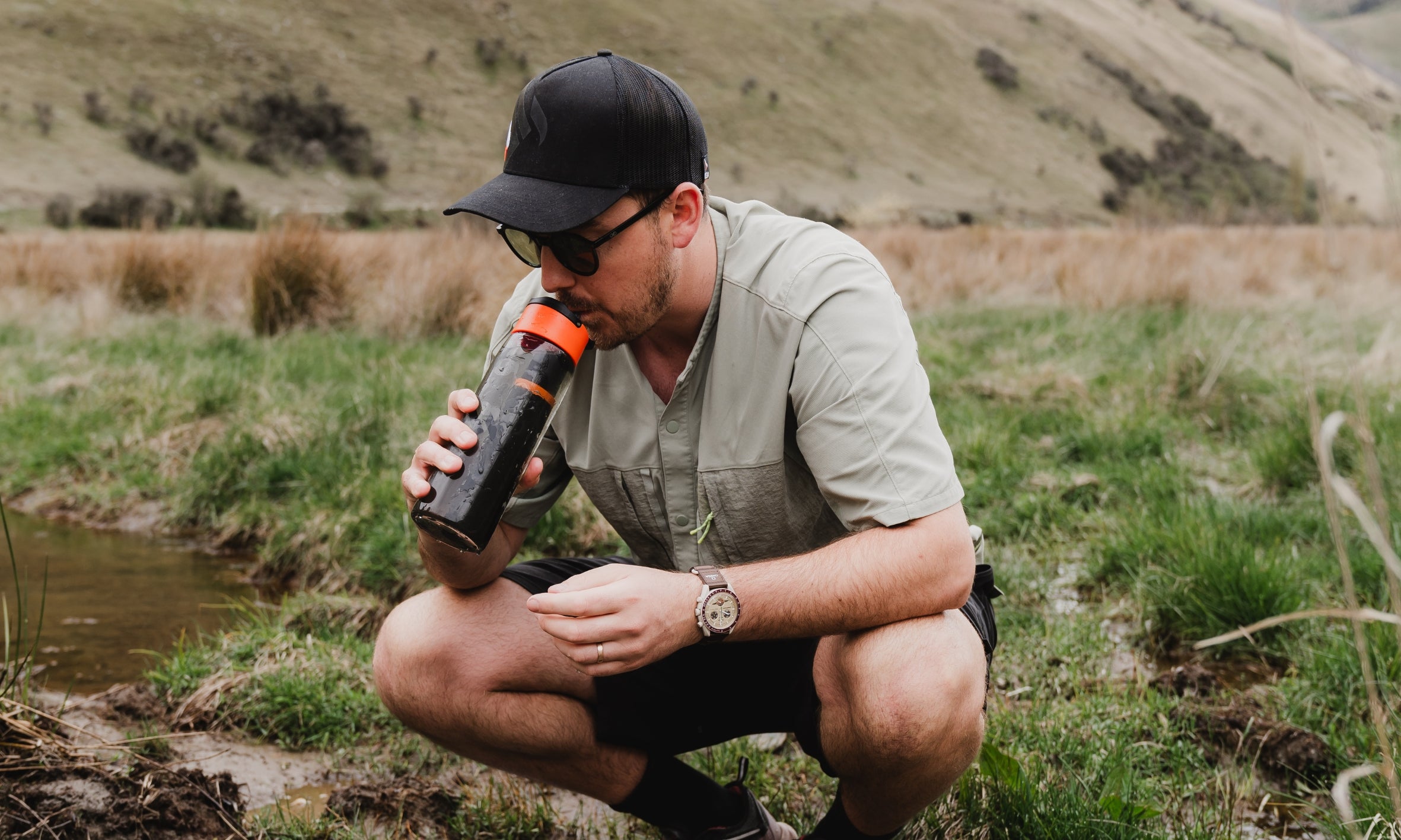
Plan water around the route, temperature, effort and reliability of available sources. Most trampers need about two litres a day, with more needed in hot conditions or on demanding trips. Treat that as a starting point, not a universal rule.
Your system may include bottles, a bladder, purification tablets, boiling or a filter. Know what your chosen method can and cannot treat, and never assume a freshwater source is safe simply because it looks clear.
For food, pack what you expect to eat plus a simple emergency reserve. Favour food that is familiar, energy-dense and easy to prepare when you are tired. Test the stove before leaving and carry a lighter or ignition backup separately.

KEA AWA
A compact freshwater filter straw and bottle system. Useful as a backup or part of a planned water setup; it does not desalinate salt water or replace carried water where sources are unreliable.
Explore KEA AWASafety: make the essentials easy to find
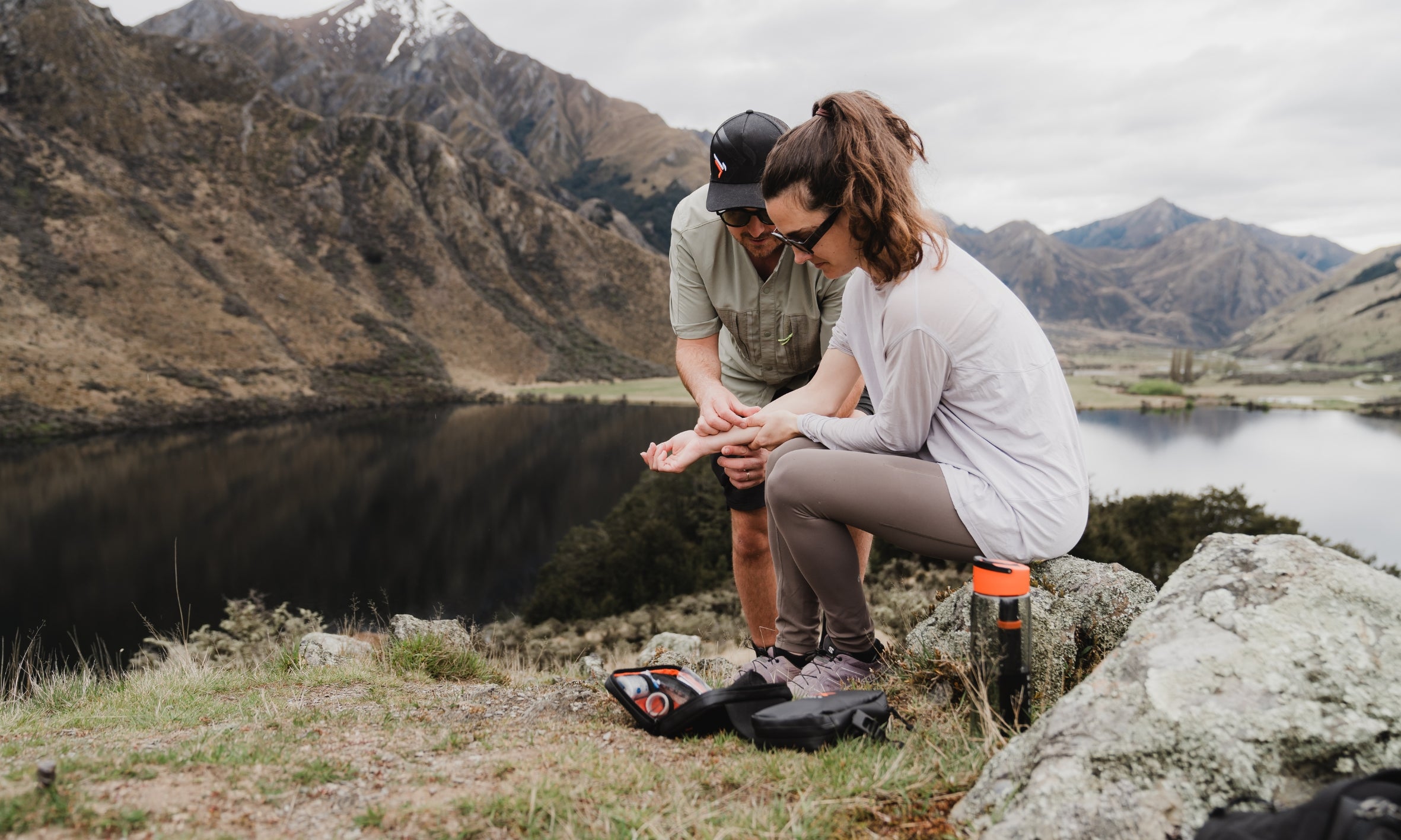
Safety gear is only useful if it is complete, appropriate and accessible.
- First aid and personal medication.
- A headtorch with usable batteries.
- Emergency shelter and extra warmth.
- Navigation you know how to use.
- A whistle.
- A suitable emergency communication device, such as a personal locator beacon, for trips beyond reliable mobile coverage.
- Sun protection.
- Extra food and a plan for delay.
Choose equipment for the location, trip length and forecast, while still carrying enough for a worst-case change in conditions. Always leave your intentions with someone and use a trip-planning resource such as Plan My Walk.
Organisation matters here. A first-aid item buried loose at the bottom of a pack is not truly ready. The KEA KIT range is designed as an empty, modular home for the medical and survival supplies you choose. The important part is not the case itself. It is knowing what is inside, where it is and when it was last checked.


Fire, tools and repair: small items, specific jobs
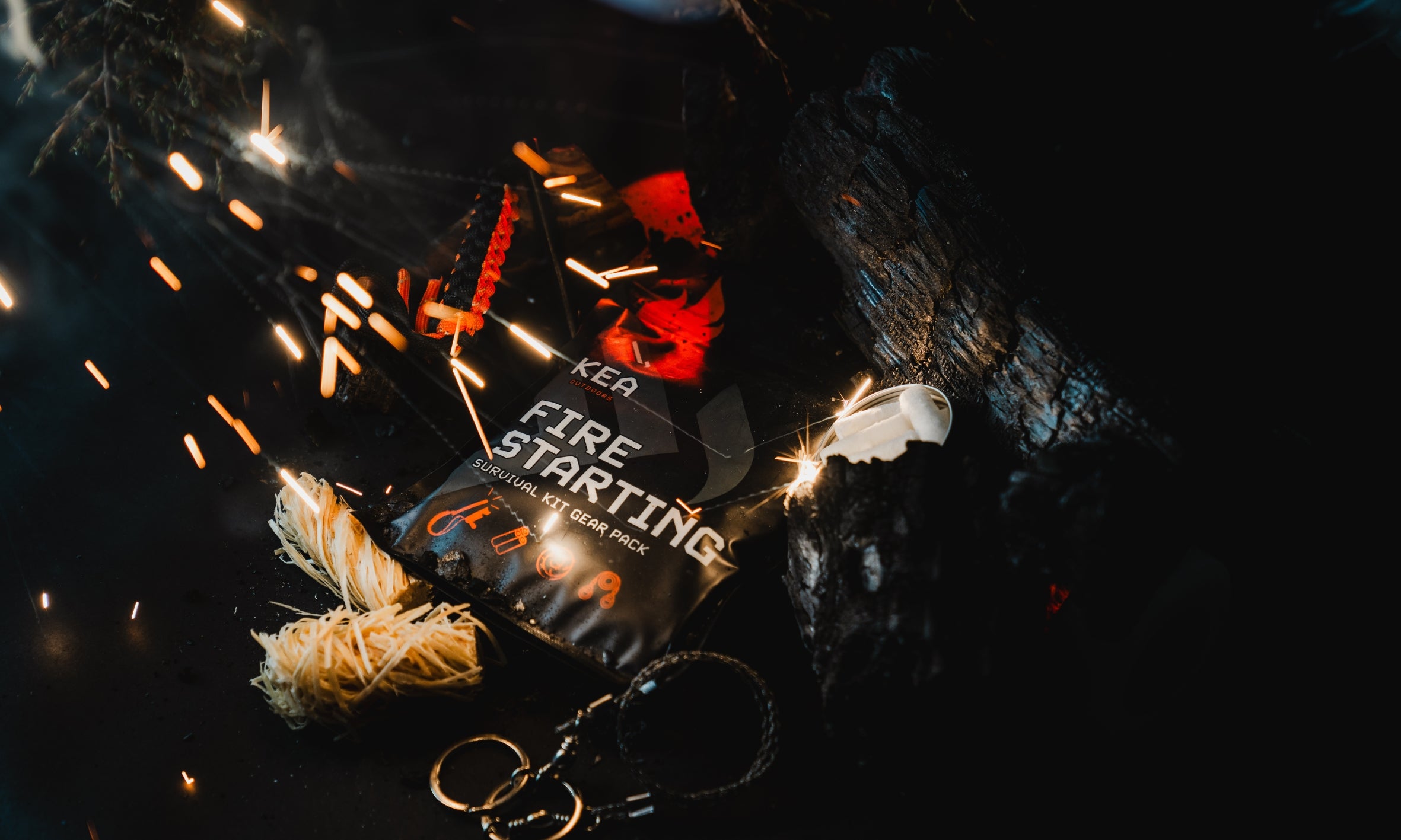
Carry tools because they solve a likely problem, not because a gear list told you to.
A useful repair setup might include tape, cord, cable ties, a needle and thread, a mat or tent patch, and the tool needed for your stove or equipment. Adapt it to the gear you actually carry.
Where fires are permitted and appropriate, carry a dependable ignition method and a backup. Knowing how to prepare tinder and use an ignition tool safely matters as much as owning it.

KEA IGNITE
A durable ferro-rod fire starter that works wet. Use only where fires are permitted and conditions are appropriate.
Explore KEA IGNITE
KEA HEX
A compact outdoor multi-tool for the practical cutting, opening and repair jobs that arise away from home.
Explore KEA HEXRefills: update the kit you already own
A used item, passed expiry date or changing trip does not mean you need a whole new kit.
Open the first-aid and survival kit you already carry. Remove anything used, damaged or no longer suitable, check dates and personal medication, then refill only the gaps. KEA Supplies gear packs group related essentials so you can update an existing KEA KIT—or any kit you already trust—without starting again.
- Replace anything used on the last trip.
- Check expiry dates, seals and packaging.
- Remove items you do not know how to use.
- Add personal medication and trip-specific supplies.
- Write the next check date somewhere visible.
Choose individual packs for a specific gap, or use the Gear Refill Bundle when several parts of the setup need a complete seasonal reset.

Gear Refill Bundle
One bundle covering the core medical, repair, fire-starting and comfort supplies used across a well-rounded outdoor kit.
Explore Refill Bundle
Basic Medical Pack
More than 50 practical supplies for topping up the everyday first-aid items used to manage minor injuries.
Explore Basic Medical
Advanced Medical Pack
Trauma-focused supplies for higher-risk trips, including protective equipment, compression bandaging and trauma shears.
Explore Advanced Medical
Bleed & Skin Pack
Bandages, dressings, wipes and blister care for replacing the small wound supplies most often used.
Explore Bleed & Skin
Bite & Burn Pack
Focused supplies for minor burns, stings and bites, packed together for a straightforward kit refresh.
Explore Bite & Burn
Fire Starting Pack
A compact group of ignition and tinder supplies for refreshing a permitted, appropriate fire-starting setup.
Explore Fire Starting
Gear Repair Pack
A compact selection for replacing repair essentials and fixing common equipment failures while away from home.
Explore Gear RepairWaste and wet gear: plan for the trip home

It is easy to plan what goes into the outdoors and forget what has to come back.
Carry a dedicated system for rubbish, food scraps, wet clothing and anything that could leak through the rest of your gear. Keep waste secure around wildlife and pack out everything you take in.
Leave No Trace begins before the trip. Less packaging, better organisation and a clear plan for waste make responsible choices easier when you are tired.

KEA STASH
A washable, reusable 20-litre bag with a sealed liner for rubbish, smells, leaks, wet gear, laundry or food.
Explore KEA STASHThe ten-minute pre-trip check
A good trip begins before the trail. Start with the gear you already own, check the essentials and make sure your setup suits the place, people and conditions ahead. Download the one-page checklist to save or print before your next trip.